


 English
 Español
 Portugues
 Pусский
 Deutsch
 日本語
日本語 한국어
한국어 العربية
 Italiano
 Nederlands
 Polski
 ไทย
ไทย Türk dili
 हिन्दी
 Indonesia
 Melayu
 Tiếng Việt
 বাংলা
বাংলা


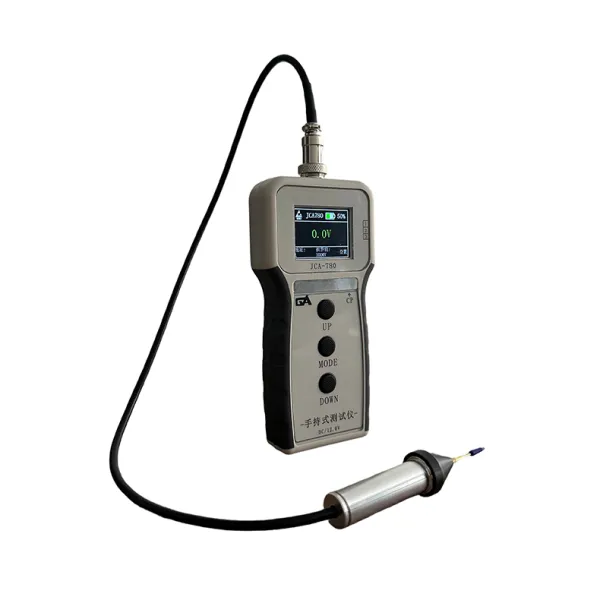


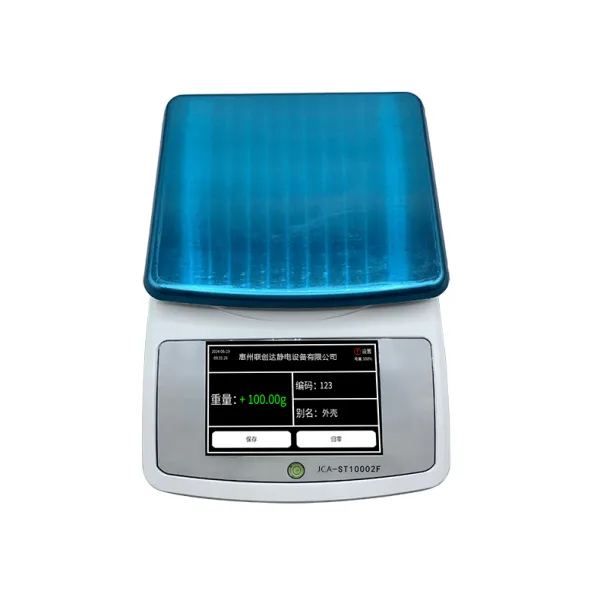
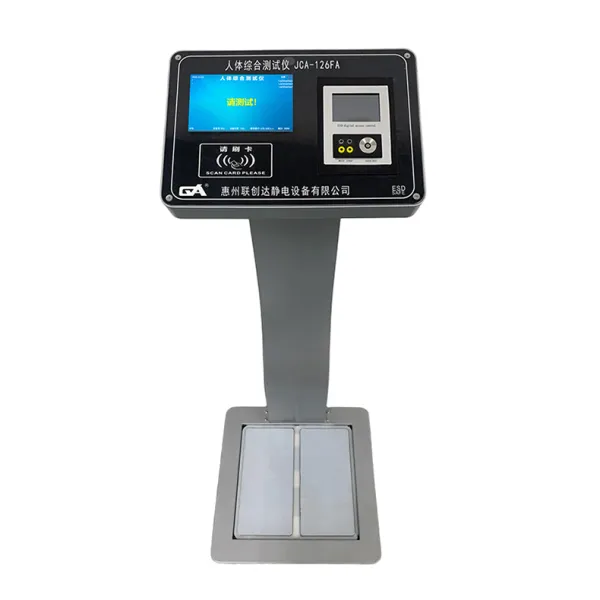
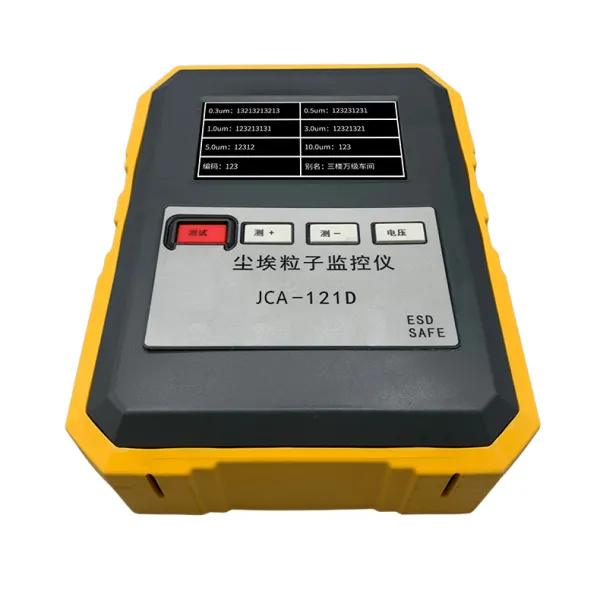
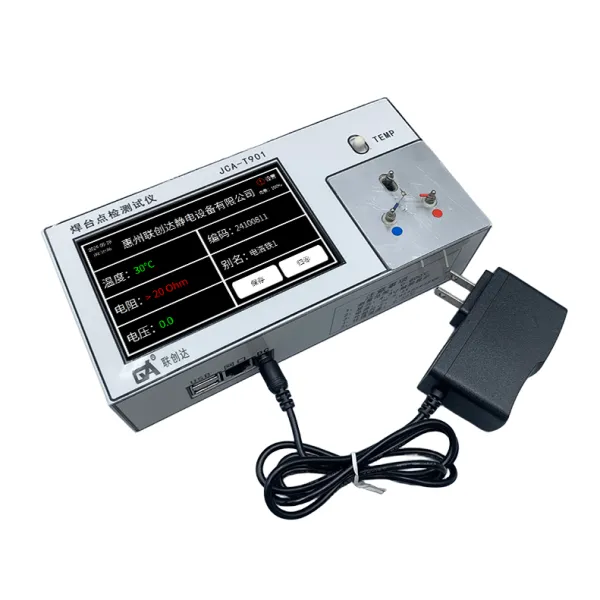
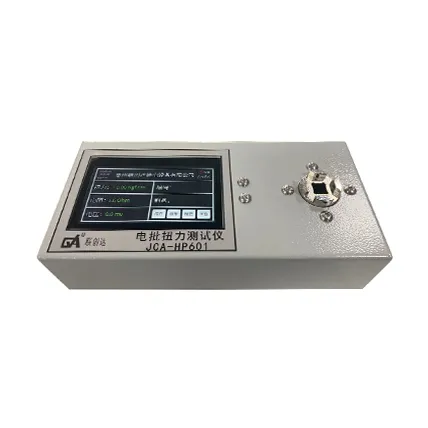
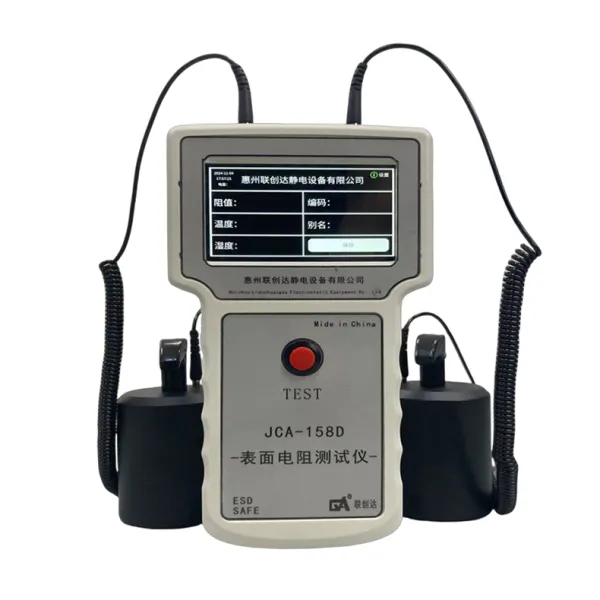
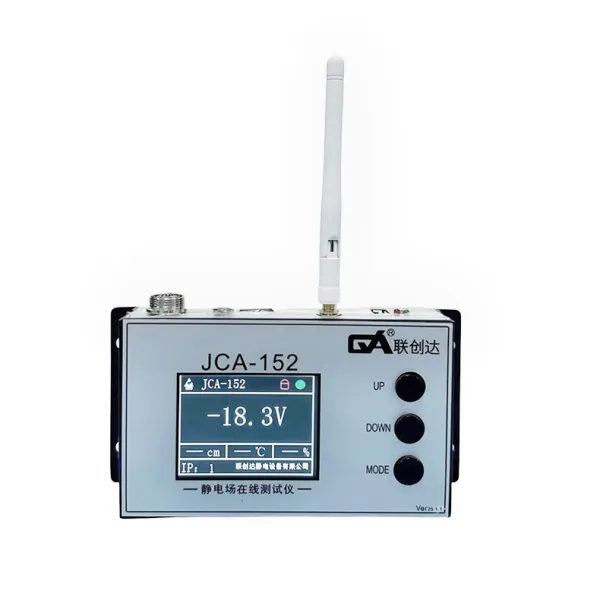



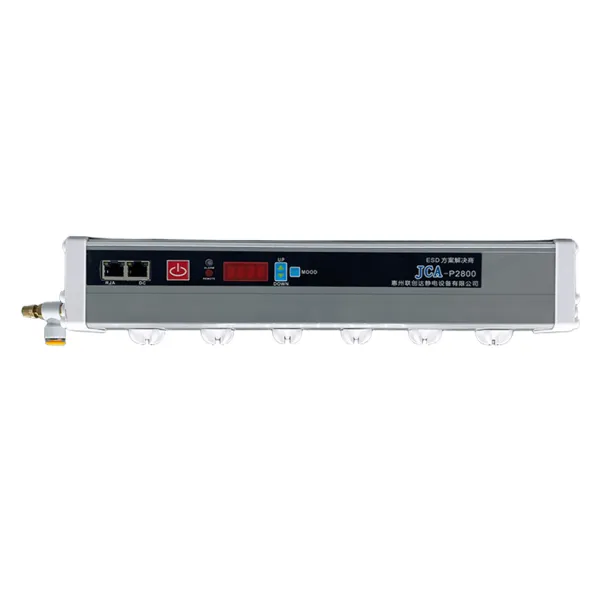

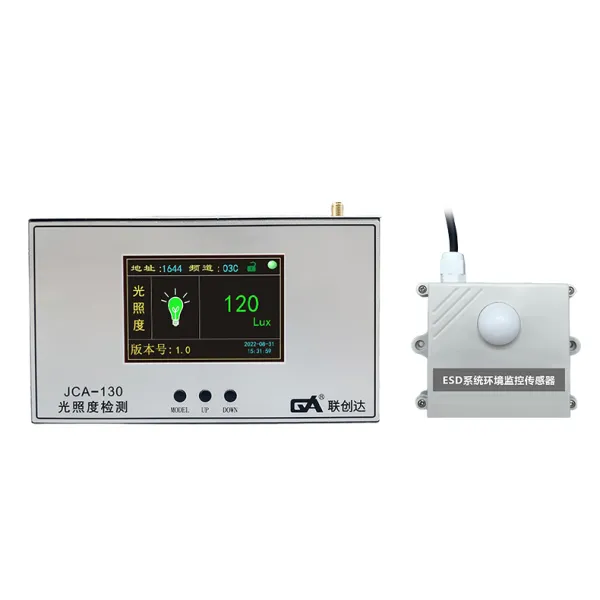

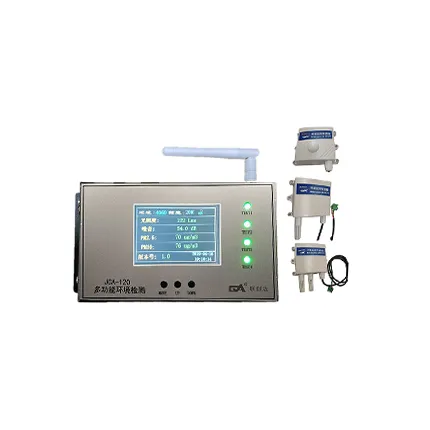
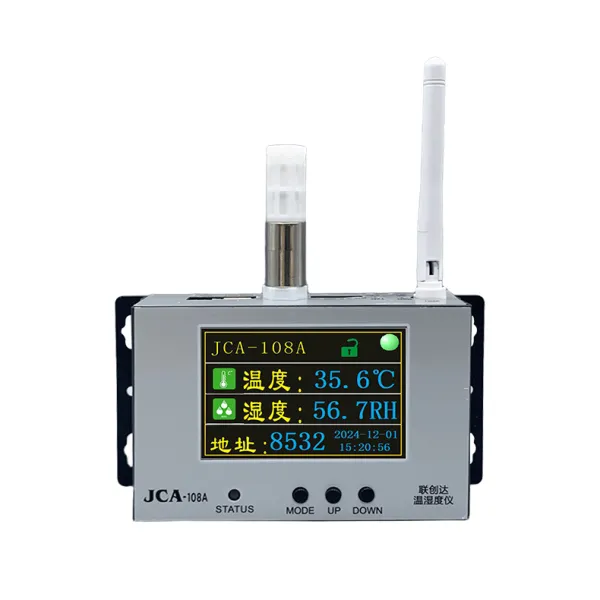


Dust particle monitor
Dust Particle Monitor: An Overview A dust particle monitor is a specialized instrument designed to measure and analyze the concentration and size distribution of airborne particulate matter in various environments. These devices play a critical role in industrial, environmental, and occupational health applications by ensuring air quality compliance and safeguarding human health. Functionality and Working Principle Dust particle monitors operate using advanced sensing technologies such as laser scattering, light obscuration, or beta attenuation. Among these, laser-based systems are widely used due to their high precision and real-time measurement capabilities. When air is drawn into the device, particles pass through a laser beam, scattering light in proportion to their size and concentration. Photodetectors then capture this scattered light, converting it into electrical signals that are processed to determine particle counts and size distribution. Some monitors also incorporate filters for gravimetric analysis, allowing for mass concentration measurements. Additionally, advanced models may feature humidity and temperature compensation to ensure accuracy in varying environmental conditions. Key Applications 1. Industrial Settings: In manufacturing facilities, dust monitors help control emissions and maintain safe working conditions by detecting hazardous particles like silica, metal dust, or chemical residues. 2. Indoor Air Quality (IAQ): These devices assess particulate levels in offices, schools, and homes, identifying pollutants such as PM2.5 and PM10, which are linked to respiratory diseases. 3. Environmental Monitoring: Governments and researchers use dust monitors to track air pollution levels, ensuring compliance with regulatory standards like the EPA’s NAAQS or WHO guidelines. 4. Construction and Mining: High dust levels in these sectors necessitate continuous monitoring to protect workers from prolonged exposure. Features and Benefits - Real-time Data: Provides instant feedback on particulate levels, enabling prompt corrective actions. - Portability: Many models are compact and battery-operated, suitable for field measurements. - Data Logging: Stores historical data for trend analysis and regulatory reporting. - User-friendly Interfaces: Often equipped with touchscreens or wireless connectivity for remote monitoring. Conclusion Dust particle monitors are indispensable tools for maintaining air quality and ensuring safety across multiple industries. By delivering accurate, real-time particulate data, they help mitigate health risks, optimize processes, and support environmental sustainability efforts. As technology advances, these devices are becoming more sophisticated, offering enhanced precision and broader applicability.
Produit
Catégorie:
Aucun résultat de recherche!
Actualités
Catégorie:
-
[Technical knowledge]Buying Guide for Electrostatic Field Testers: Key Features a...
2025-11-12 15:26:02
Affaire
Catégorie:
Aucun résultat de recherche!
Vidéo
Catégorie:
Aucun résultat de recherche!
Téléchargement
Catégorie:
Aucun résultat de recherche!
Recrutement
Catégorie:
Aucun résultat de recherche!
Produits recommandés
Aucun résultat de recherche!



 WhatsApp
 Téléphone