The ESD (Electrostatic Discharge) access control system is a type of access control system used to detect the electrostatic charge carried by individuals before they enter an anti-static work area. It is an advanced product that integrates a human body electrostatic comprehensive tester, electrostatic access control equipment, and computerized management software. This ensures that workers have properly prepared for electrostatic protection before entering the electrostatic protection zone.
Combined with turnstiles as the control equipment for pedestrian flow, the system offers multiple entry modes (hand testing, shoe testing, simultaneous hand and shoe testing on the same side, and exemption from testing) based on the permission settings of the access cards. It can provide an orderly and civilized passage way for people entering and exiting, prevent unauthorized access, and quickly control the drop of turnstile bars in emergency situations to facilitate personnel evacuation.
Main Functions of the System
1) Tests whether anti-static work shoes and wrist straps meet the specified standard range.
2) Accurately transmits employees' test data to the control center database.
3) In case of power failure, the turnstile automatically opens.
4) Effectively identifies whether the person entering the production area is an employee of the company.
5) The control center can control the opening and closing of any turnstile.
6) The operating system adopts a B/S architecture design; no software installation is required on the client side, and users can directly log in via a browser to perform system-related management operations.
7) The test terminal of the access control device features a minimalist interface, displaying information such as name, card number, event, time, test items, test results, warnings, or operation procedures.
8) Real-time display of test data (e.g., various test failures, card swiping, etc.), with automatic data collection.
9) Supports full-screen record display for intuitive viewing, with simultaneous photo display; supports synthesized voice prompts.
10) Compatible with MySQL database, offering 3 authorized operations: assigning doors to users, assigning users to doors, and setting permission groups for users, allowing flexible configuration.
11) The system provides log records, enabling viewing of operation and management history for convenient management tracking and system maintenance.
12) Can work in coordination with attendance software.
13) Supports data import and export functions to facilitate customer processing.
14) The software automatically synchronizes time, and personnel lists are automatically synchronized to ESD devices.
15) Supports export of multiple reports, such as unswiped card lists and test records categorized by left foot, right foot, wrist strap, etc.
16) Data updates can be selected arbitrarily, with stable speed and flexible operation.
17) The database can interface with attendance software, supporting multi-user and multi-machine real-time management and monitoring.
18) A single machine can be used independently, or multiple machines can be combined via LAN or RS485 for unified management.
19) German-designed lightning protection (10KV 500A, response speed 1–10 nanoseconds).
20) Supports TCP/IP protocol and Internet management.
21) Features reverse button opening, reverse induction opening, and remote computer opening functions.
22) Equipped with functions such as ESD test records for card-swiping personnel, report statistics, report query, and report output.
23) Recognizes IC cards, ID cards, face recognition, fingerprints, etc.
24) Multiple door-opening modes: card swiping to open, card swiping + wrist strap test, card swiping + anti-static shoe test, card swiping + wrist strap and anti-static shoe test, remote opening, etc.


 English
 Español
 Portugues
 Pусский
 Deutsch
 日本語
日本語 한국어
한국어 العربية
 Italiano
 Nederlands
 Polski
 ไทย
ไทย Türk dili
 हिन्दी
 Indonesia
 Melayu
 Tiếng Việt
 বাংলা
বাংলা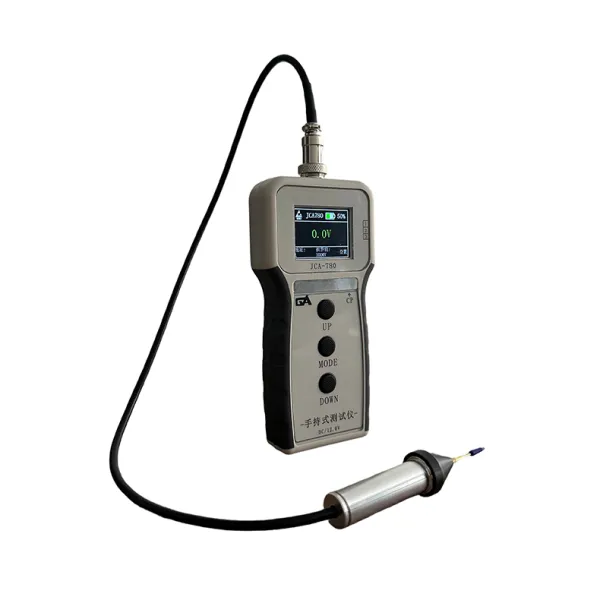 Portable Compact Isolated Conductor Tester - Precise Static Voltage Meter with Touchscreen Operation
 Touch-Operated Handheld ESD Tester - Accurate Static Detection Instrument
 Anti-Static High-Frequency Smart Soldering Station - Industrial-Grade Lead-Free Soldering Iron for Electronic Repair
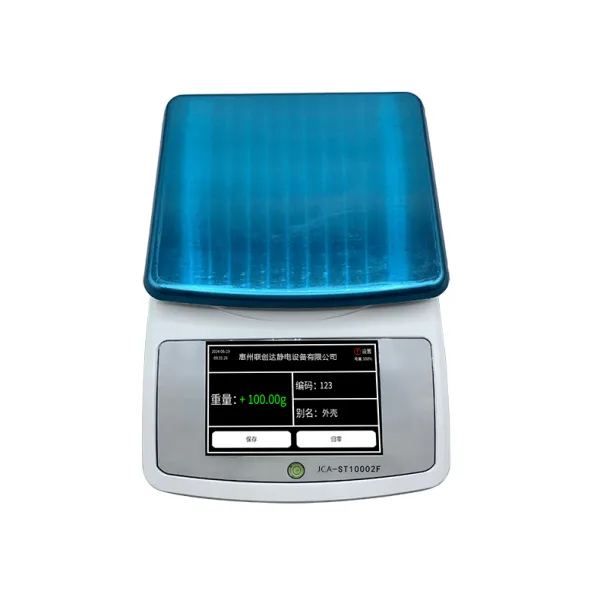 Lightweight Precision Industrial Scale - Portable High-Precision Weighing, QR Code Data Recording
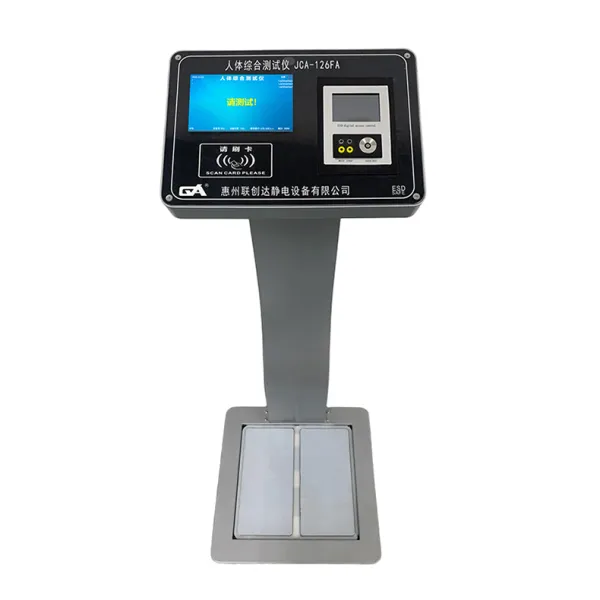 Pro ESD Human Body Comprehensive Tester - Anti-Static Access Gate with Biometric & Card Recognition
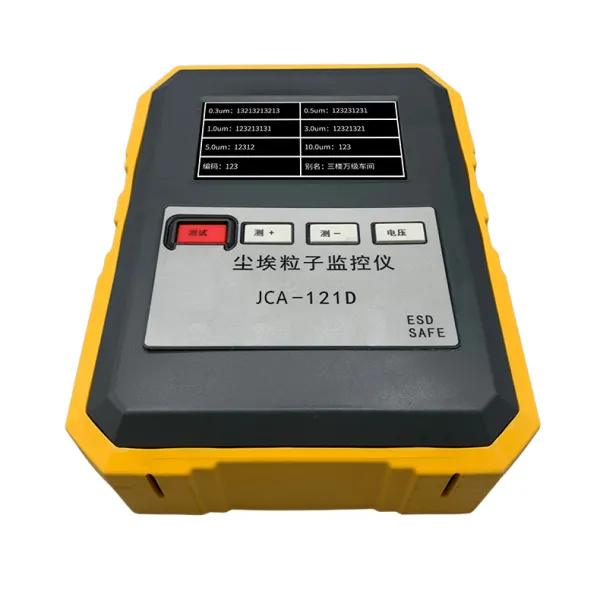 Lianchuangda Portable Particle Counter - Cleanroom-Specific Air Cleanliness Tester
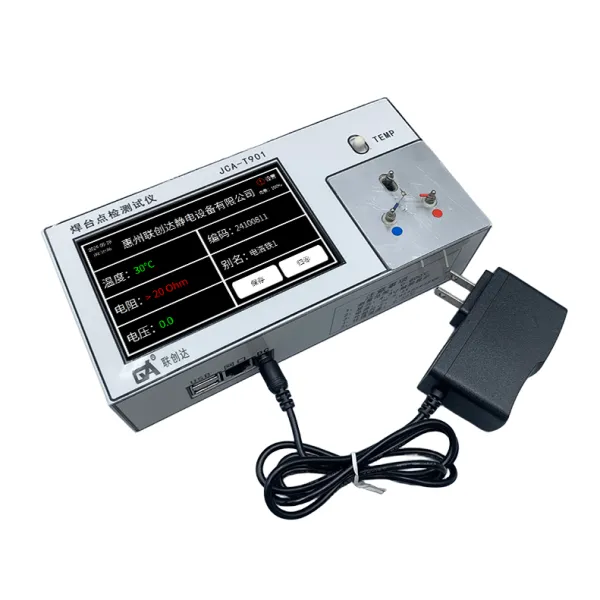 Lianchuangda Environmental Pressure Tester Wireless Digital Display & Grounding Monitoring
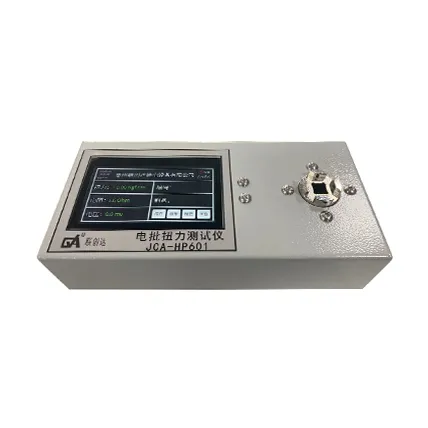 Digital Electric Screwdriver Torque Tester - Precise Measurement, Smart Data Storage
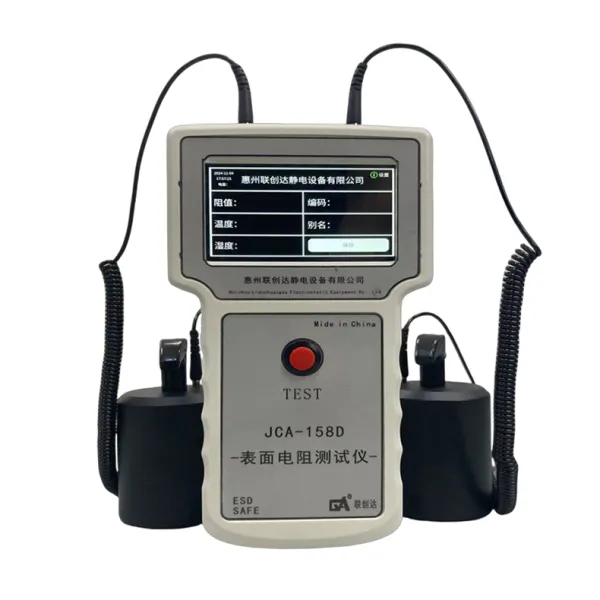 Portable Hammer Surface Resistance Tester - Smart Industrial Megohmmeter with Data Networking
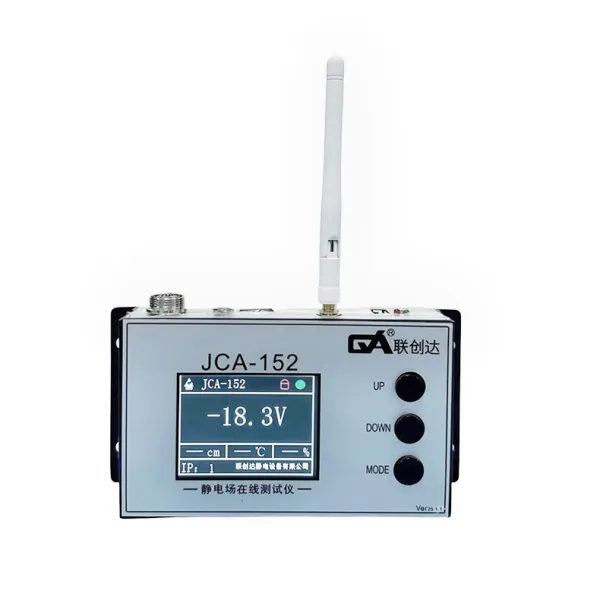 Wireless ESD Field Tester - Real-Time Voltage Monitoring, Easy Installation & Visual Operation
 Color Screen Wireless Ion Fan Static Tester with Voltage Measurement & Data Transmissio
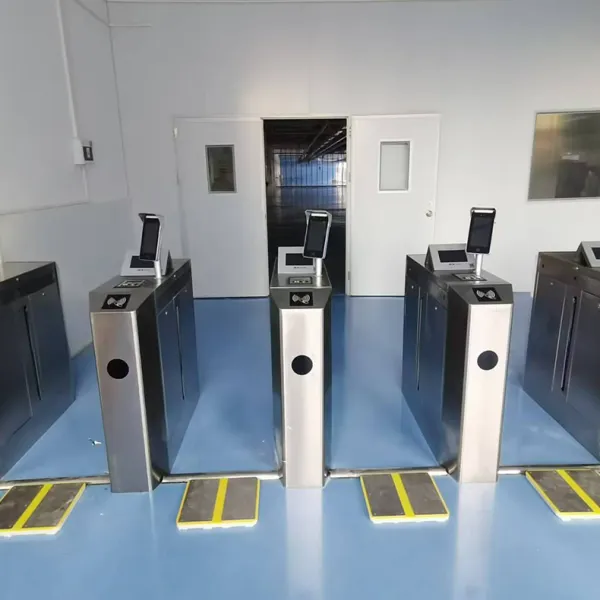 Lianchuangda Test Anti-static Access Control Turnstile JCA-S106 Supports MySQL Database
 Suspended 3-Head DC Ion Fan - Smart Quiet Static Eliminator, Customizable
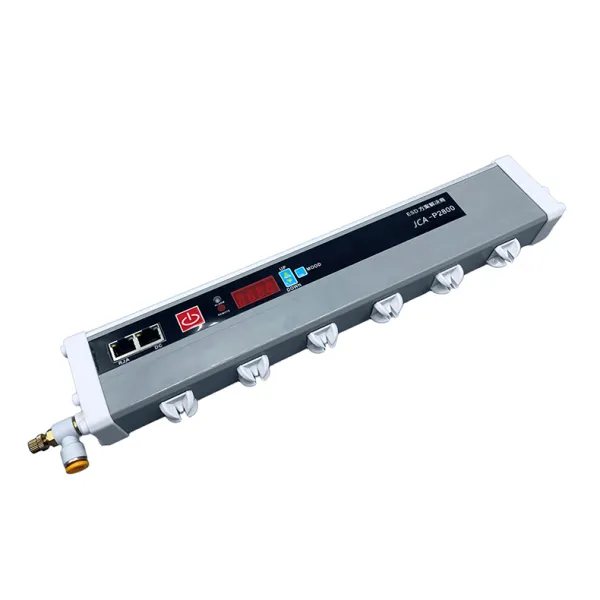 Pulse-Type ESD Ion Air Bar - Industrial-Specific Static Eliminator for ESD Removal
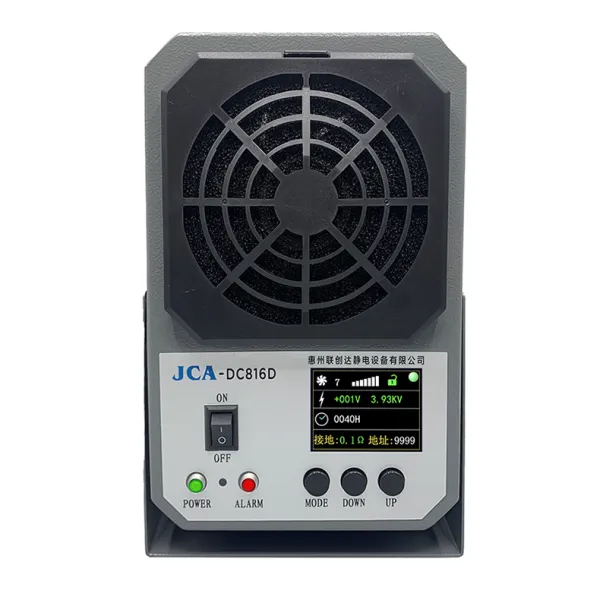 Lianchuangda Smart DC Ion Fan - Industrial-Grade Static Elimination for Factory Workshops
 Desktop DC Single-Head Ion Fan - Professional Static Eliminator with Wireless Network Connectivity
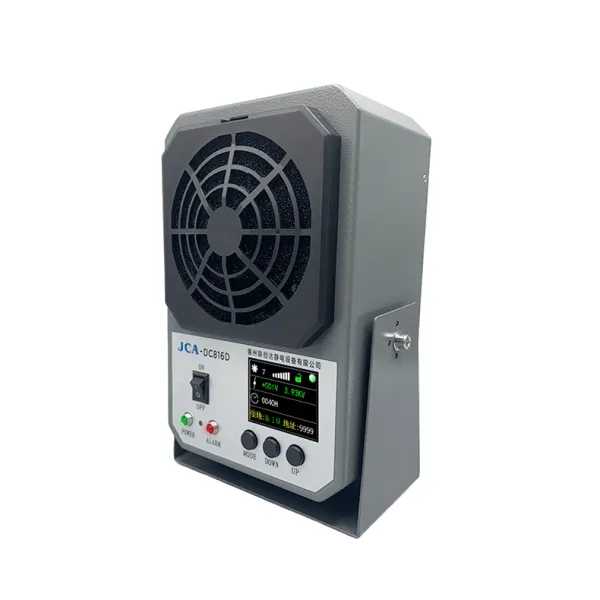 Intelligent DC Ion Fan Manufacturer Workshop Electronic Anti-Static Industrial-Grade Static Elimination Equipment
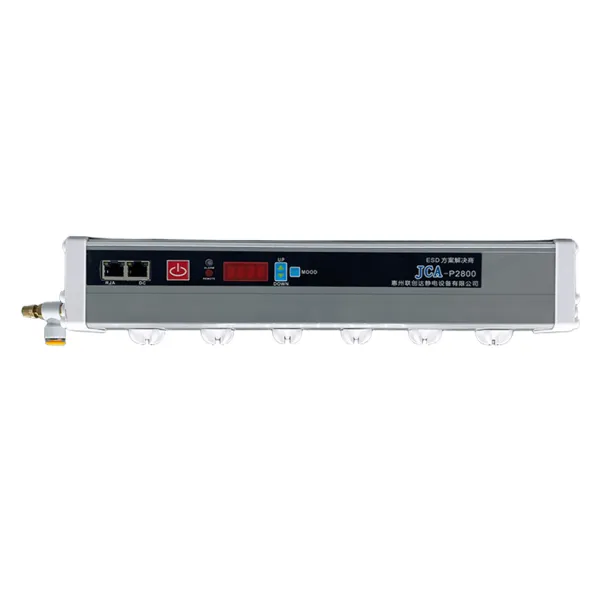 Industrial Static Elimination Pulse-type Anti-static Ion Air Bar Static Eliminator
 2.2-inch color screen three-air outlet ion fan static protection eliminates static electricity
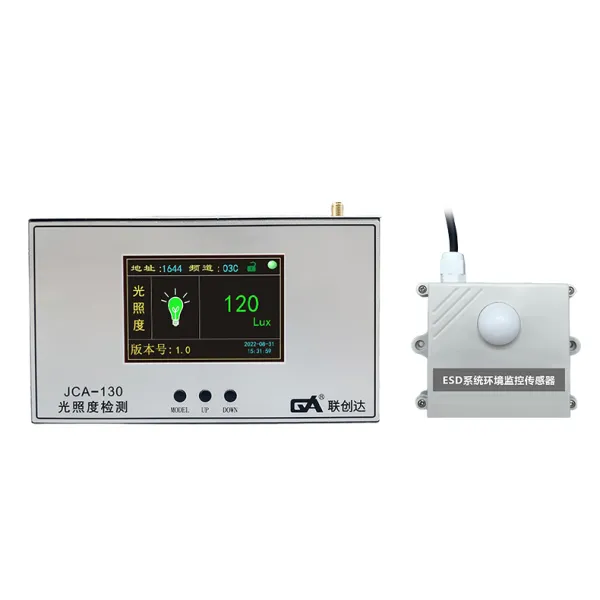 3.5 Inch Color LCD Wireless Digital Lux Meter - High-Precision Environmental Detector with Network Connectivity
 Smart Wireless Noise Detection Alarm System - Digital Tester for Environmental Monitoring with Networking
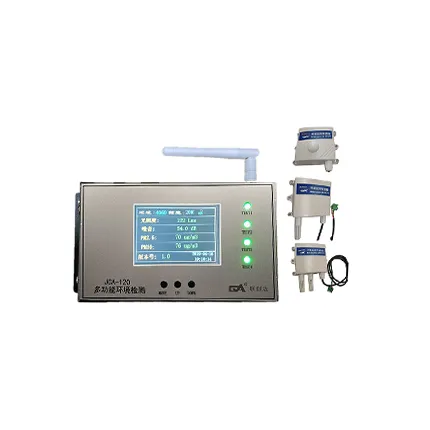 3.5 Inch Color LCD Wireless Multi-Functional Environmental Detector - Dust Particle Tester with WiFi Connectivity
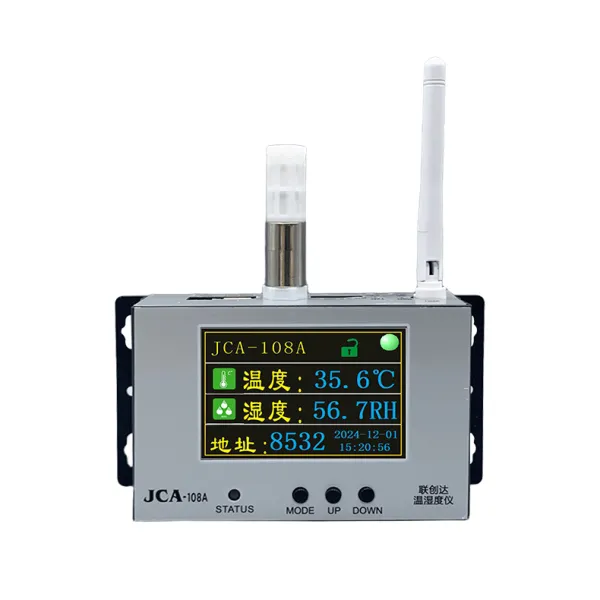 Wireless Temperature & Humidity Monitor - Smart Recorder with Remote Query & Data Transmission
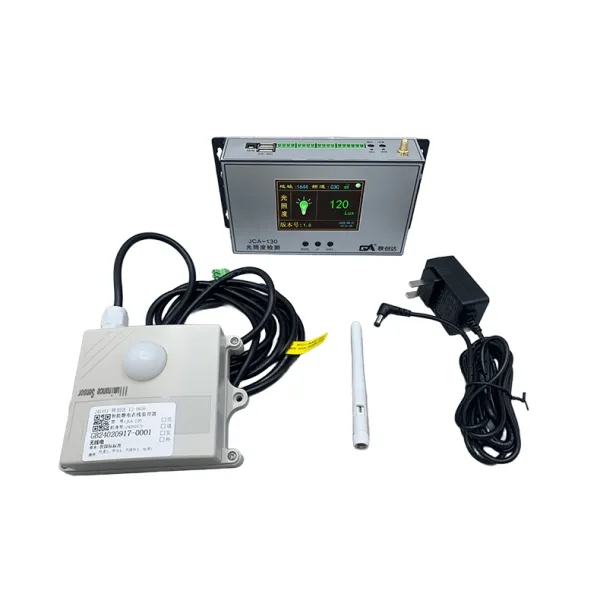 Lianchuangda Wireless Digital Display Illuminance Tester - 3.5-inch LCD Color Screen Dynamic Display High-Precision Environmental Tester



 WhatsApp
 Téléphone