Maintenance Plan for Ion fan testers: Ensuring Sustained Performance
Ion fan testers, as core tools for verifying the static elimination effectiveness of ion fans (e.g., measuring ion balance and charge decay time), directly impact the reliability of electrostatic protection systems through their own accuracy and stability. Below is a scientific maintenance plan covering key links such as daily inspections, regular calibration, and troubleshooting, ensuring the equipment continuously meets industry standards like ANSI/ESD S20.20 and IEC 61340.
1. Daily Maintenance (Daily/Before Each Use)
1.1 Inspection of Appearance and Physical Condition
Cleanliness Check: Wipe the tester’s sensor probe (e.g., flat electrode) with a lint-free cloth dipped in isopropyl alcohol to remove dust, oil, or fiber residues. Contaminants can cause ion adsorption deviations, leading to measurement errors exceeding 10%.
Structural Integrity Verification: Check for damaged probe cables, loose interfaces (e.g., BNC connectors), or cracks in the housing (especially for portable models like the Simco-Ion AEROTEST ST). Physical damage may cause abnormal signal transmission.
1.2 Power-On Self-Test and Function Verification
Startup Check: After powering on, ensure the display functions normally (no garbled characters or missing segments), buttons respond sensitively (e.g., "zeroing" and "unit switching"), and battery power is sufficient (low battery causes measurement drift).
Simplified Calibration Verification: Place a standard plate with known ion balance (e.g., ±0V calibration sheet) close to the probe. Confirm the tester’s reading deviation is within ±5V. If exceeding this range, suspend use and schedule calibration.
2. Regular Calibration (Every 3–6 Months, Adjusted by Usage Frequency)
2.1 Calibration Indicators and Standards
Third-party metrology institutions or factory-certified services must calibrate the following core parameters:
Ion Balance Measurement Accuracy: Ensure an error of ≤±5V within the ±100V range (reference standard: ANSI/ESD STM3.1).
Charge Decay Time Response Speed: Verify the timing error for decay from 1000V to 100V is ≤0.1 seconds (simulating real test scenarios).
Environmental Anti-Interference: In 30%–60% RH and 23±3℃ environments, confirm external electric fields (e.g., ±500V/m) affect measurements by ≤±3%.
2.2 Post-Calibration Records and Label Management
Save calibration certificates (including metrology institution qualifications, calibration point data, and correction values) and affix a "calibration passed" label to the device (indicating the next calibration date).
If calibration reveals out-of-tolerance parameters (e.g., ion balance error of ±15V), trace data from after the last calibration, evaluate the validity of electrostatic test results during this period, and retest relevant ion fans if necessary.
3. Quarterly In-Depth Maintenance
3.1 Internal Component Maintenance
Sensor Probe Care: For non-sealed probes (e.g., testers配套 with FRASER 715), purge internal ion collectors with compressed air (0.2MPa pressure) to remove dust, which reduces ion capture efficiency.
Circuit Stability Check: Open the housing (by professionals only) to inspect for oxidized solder joints or swollen capacitors. For devices used long-term in high humidity (>60% RH), treat internal spaces with desiccants.
3.2 Data Storage and Software Maintenance
Export built-in historical records (e.g., test data from the past 3 months) and back up to servers to prevent data loss due to equipment failure, which could affect compliance audits.
For intelligent testers (e.g., DESCO 19492 with Bluetooth), check firmware versions and update via official tools promptly (to fix measurement algorithm vulnerabilities and improve anti-interference capabilities).
4. Troubleshooting and Emergency Plans
Common Faults | Troubleshooting Steps | Solutions |
Reading fluctuations (>±20V) | 1. Check proximity to strong electromagnetic fields (e.g., motors, high-voltage equipment); 2. Verify if ambient humidity is <30% RH (low humidity causes static interference) | 1. Retest away from interference sources; 2. Activate humidifiers to maintain RH above 45% |
Unresponsive probe | 1. Replace with a spare cable; 2. Check for probe short circuits (measure resistance with a multimeter; normal value >10MΩ) | 1. Replace damaged cables; 2. Return to factory for repair or replace the probe |
"ERR" error code display | 1. Refer to the device manual to identify error types (e.g., ERR1 = sensor failure, ERR2 = voltage overload); 2. Perform factory reset (hold "reset" for 10 seconds) | If reset fails, contact factory technical support—do not disassemble independently |
5. Maintenance Records and Continuous Optimization
Establish a Ion Fan Tester Maintenance Log to record maintenance/calibration dates, operators, abnormalities, and solutions (as evidence for ISO 9001 or ESD system audits).
Analyze fault data from the past year. If certain faults (e.g., probe contamination) occur frequently, optimize daily cleaning frequency (e.g., from once daily to once per shift) or switch to more contamination-resistant probe models (e.g., oil-proof coated probes).
This maintenance plan controls measurement errors of ion fan testers within 5%, ensuring reliable evaluation of ion fan performance and preventing electrostatic protection failures due to tester inaccuracy. Would you like detailed maintenance procedures for specific equipment (e.g., testers of a particular brand)?


 English
 Español
 Portugues
 Pусский
 Deutsch
 日本語
日本語 한국어
한국어 العربية
 Italiano
 Nederlands
 Polski
 ไทย
ไทย Türk dili
 हिन्दी
 Indonesia
 Melayu
 Tiếng Việt
 বাংলা
বাংলা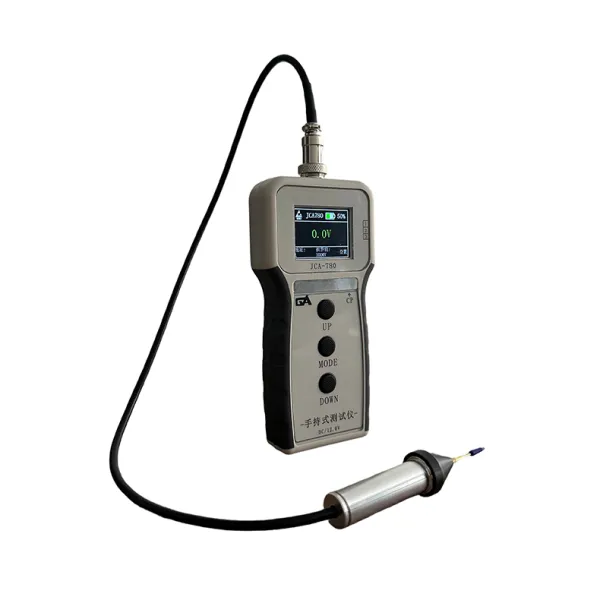 Portable Compact Isolated Conductor Tester - Precise Static Voltage Meter with Touchscreen Operation
 Touch-Operated Handheld ESD Tester - Accurate Static Detection Instrument
 Anti-Static High-Frequency Smart Soldering Station - Industrial-Grade Lead-Free Soldering Iron for Electronic Repair
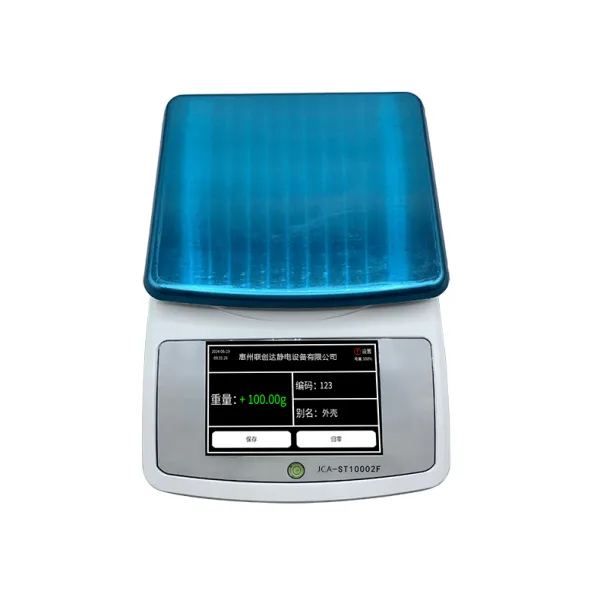 Lightweight Precision Industrial Scale - Portable High-Precision Weighing, QR Code Data Recording
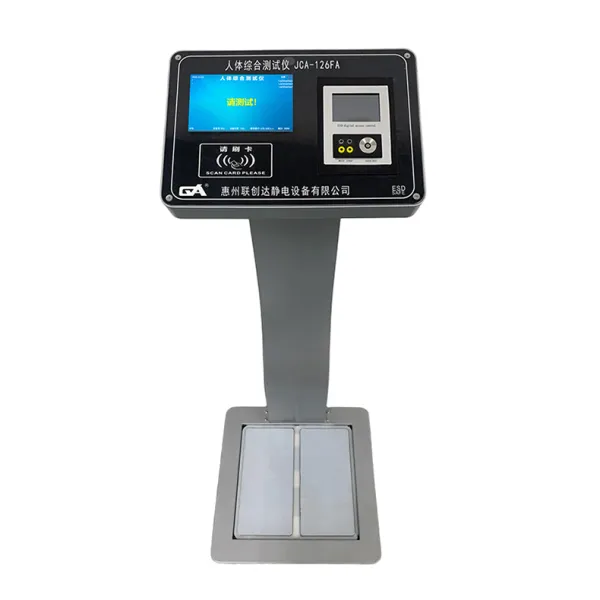 Pro ESD Human Body Comprehensive Tester - Anti-Static Access Gate with Biometric & Card Recognition
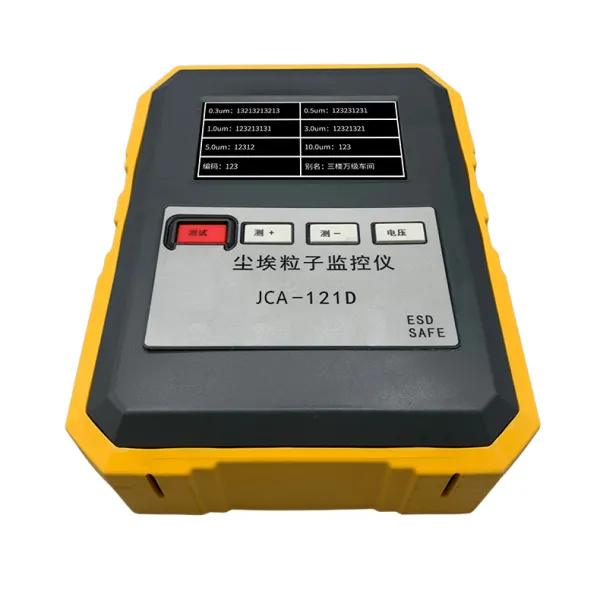 Lianchuangda Portable Particle Counter - Cleanroom-Specific Air Cleanliness Tester
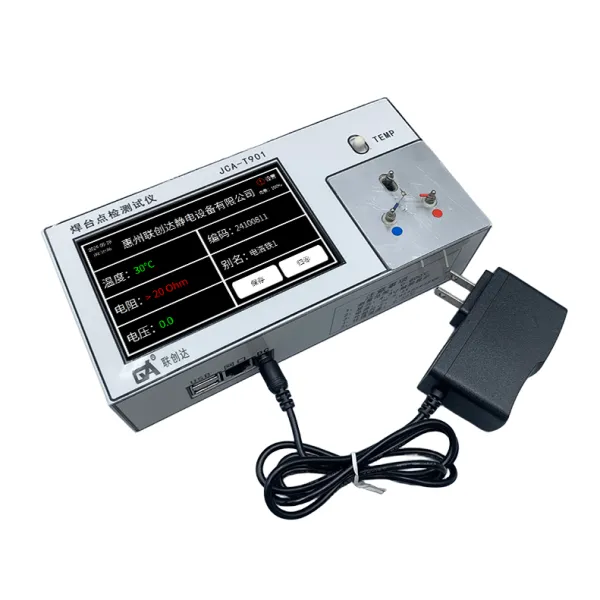 Lianchuangda Environmental Pressure Tester Wireless Digital Display & Grounding Monitoring
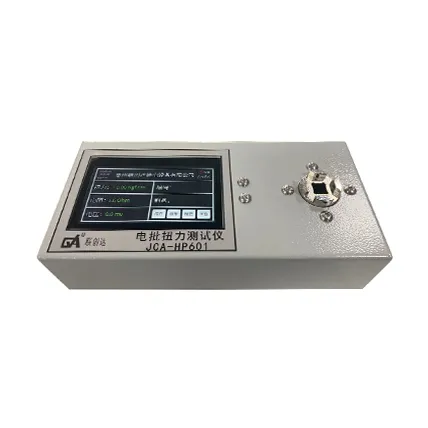 Digital Electric Screwdriver Torque Tester - Precise Measurement, Smart Data Storage
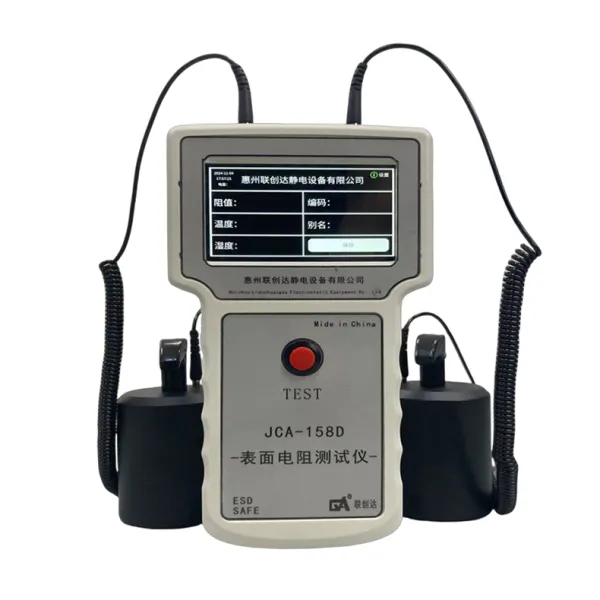 Portable Hammer Surface Resistance Tester - Smart Industrial Megohmmeter with Data Networking
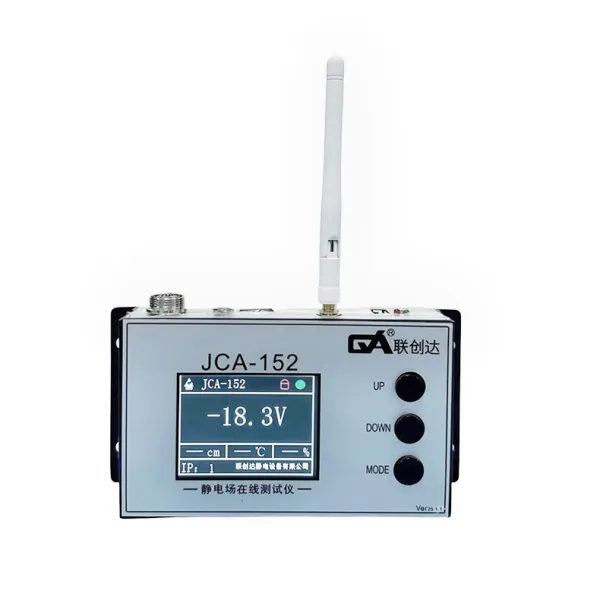 Wireless ESD Field Tester - Real-Time Voltage Monitoring, Easy Installation & Visual Operation
 Color Screen Wireless Ion Fan Static Tester with Voltage Measurement & Data Transmissio
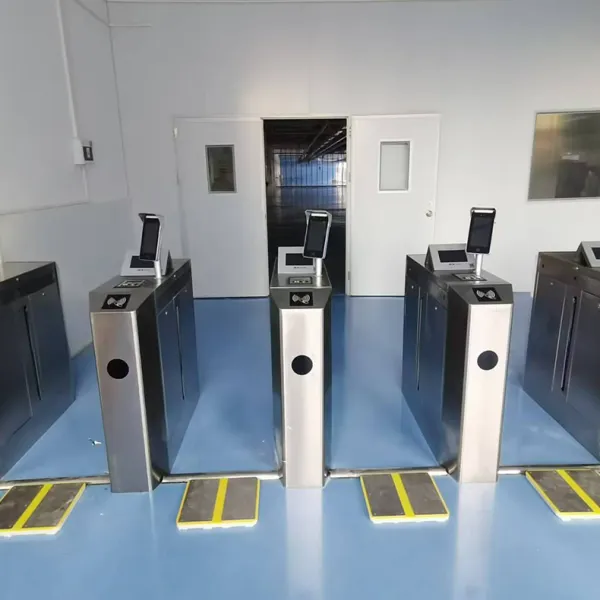 Lianchuangda Test Anti-static Access Control Turnstile JCA-S106 Supports MySQL Database
 Suspended 3-Head DC Ion Fan - Smart Quiet Static Eliminator, Customizable
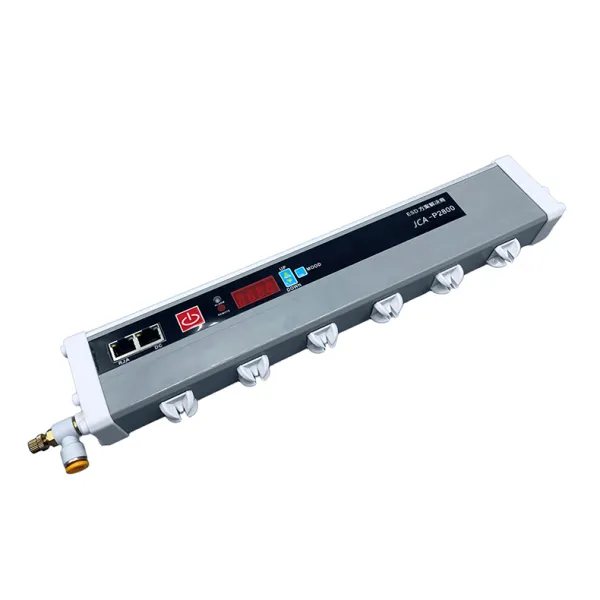 Pulse-Type ESD Ion Air Bar - Industrial-Specific Static Eliminator for ESD Removal
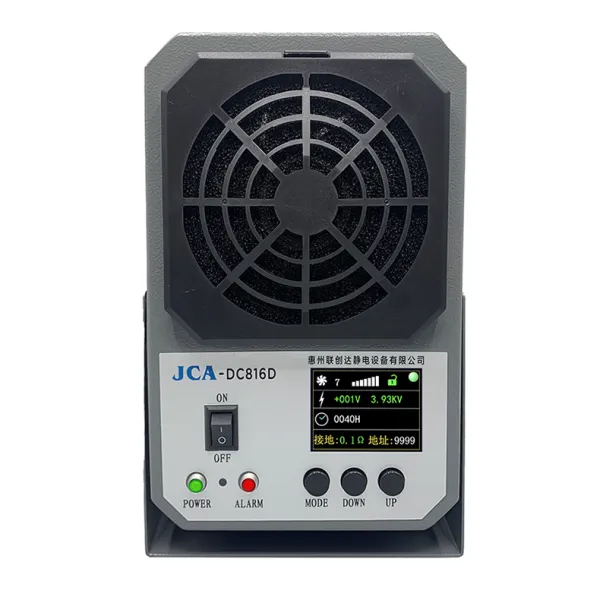 Lianchuangda Smart DC Ion Fan - Industrial-Grade Static Elimination for Factory Workshops
 Desktop DC Single-Head Ion Fan - Professional Static Eliminator with Wireless Network Connectivity
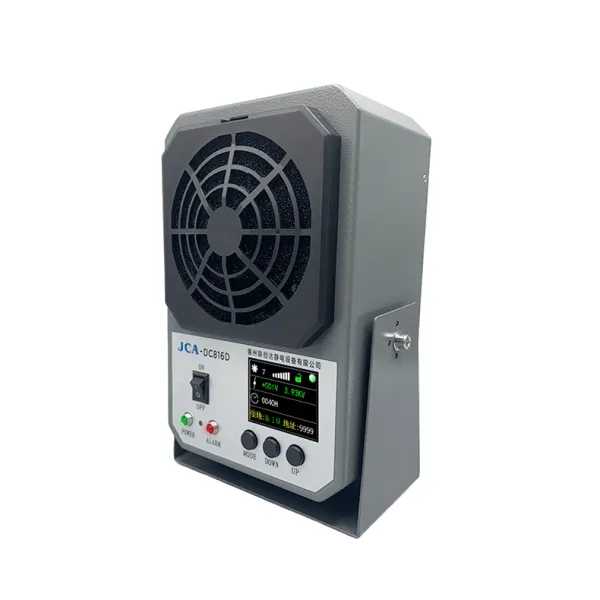 Intelligent DC Ion Fan Manufacturer Workshop Electronic Anti-Static Industrial-Grade Static Elimination Equipment
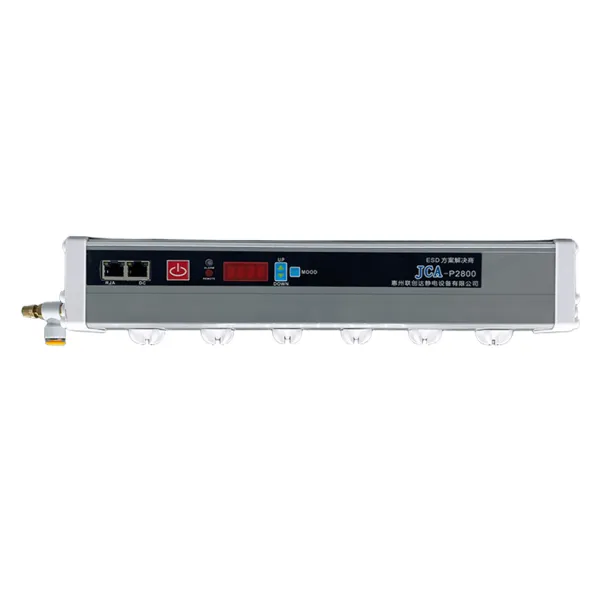 Industrial Static Elimination Pulse-type Anti-static Ion Air Bar Static Eliminator
 2.2-inch color screen three-air outlet ion fan static protection eliminates static electricity
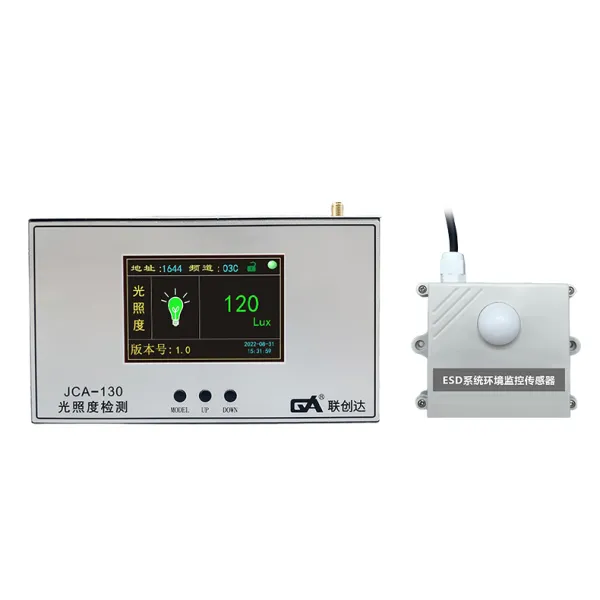 3.5 Inch Color LCD Wireless Digital Lux Meter - High-Precision Environmental Detector with Network Connectivity
 Smart Wireless Noise Detection Alarm System - Digital Tester for Environmental Monitoring with Networking
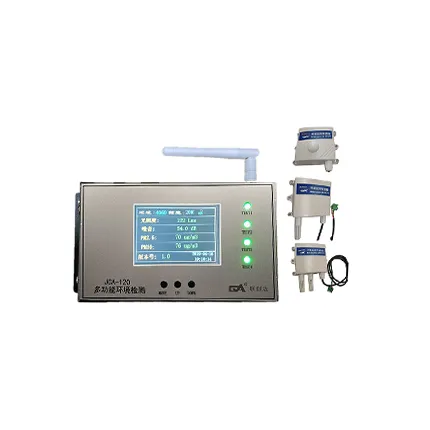 3.5 Inch Color LCD Wireless Multi-Functional Environmental Detector - Dust Particle Tester with WiFi Connectivity
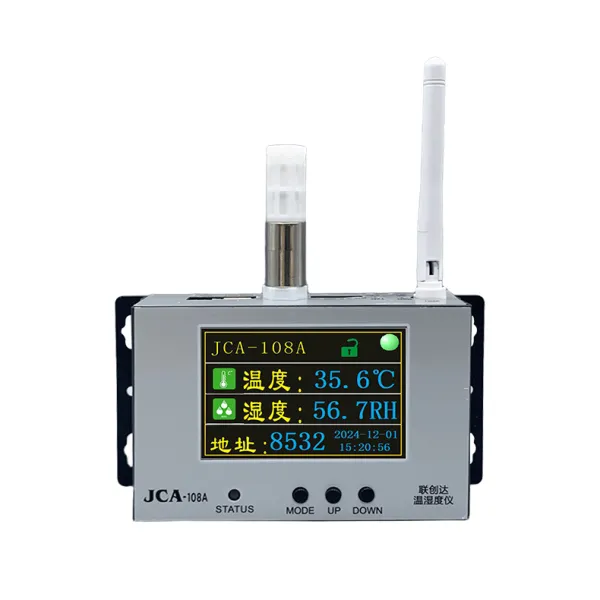 Wireless Temperature & Humidity Monitor - Smart Recorder with Remote Query & Data Transmission
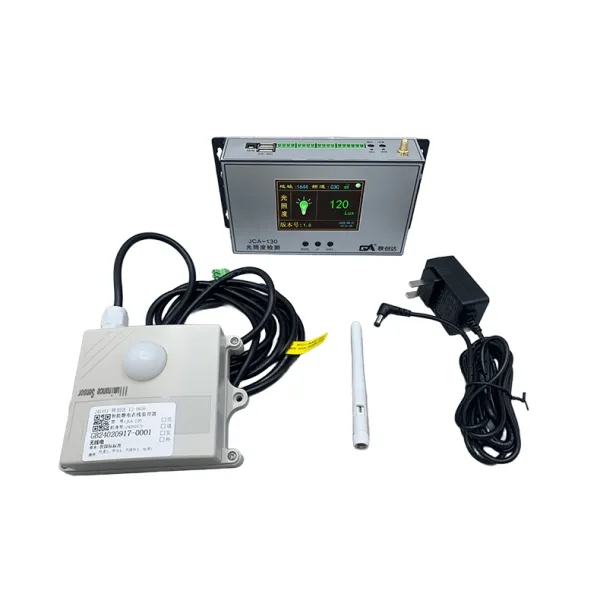 Lianchuangda Wireless Digital Display Illuminance Tester - 3.5-inch LCD Color Screen Dynamic Display High-Precision Environmental Tester



 WhatsApp
 Téléphone
Commentaire
(0)